n-Track Studio 10 adds new creativity boosting tools and effects
By using this site you agree to our Terms and Conditions. Please Accept these before using the site.
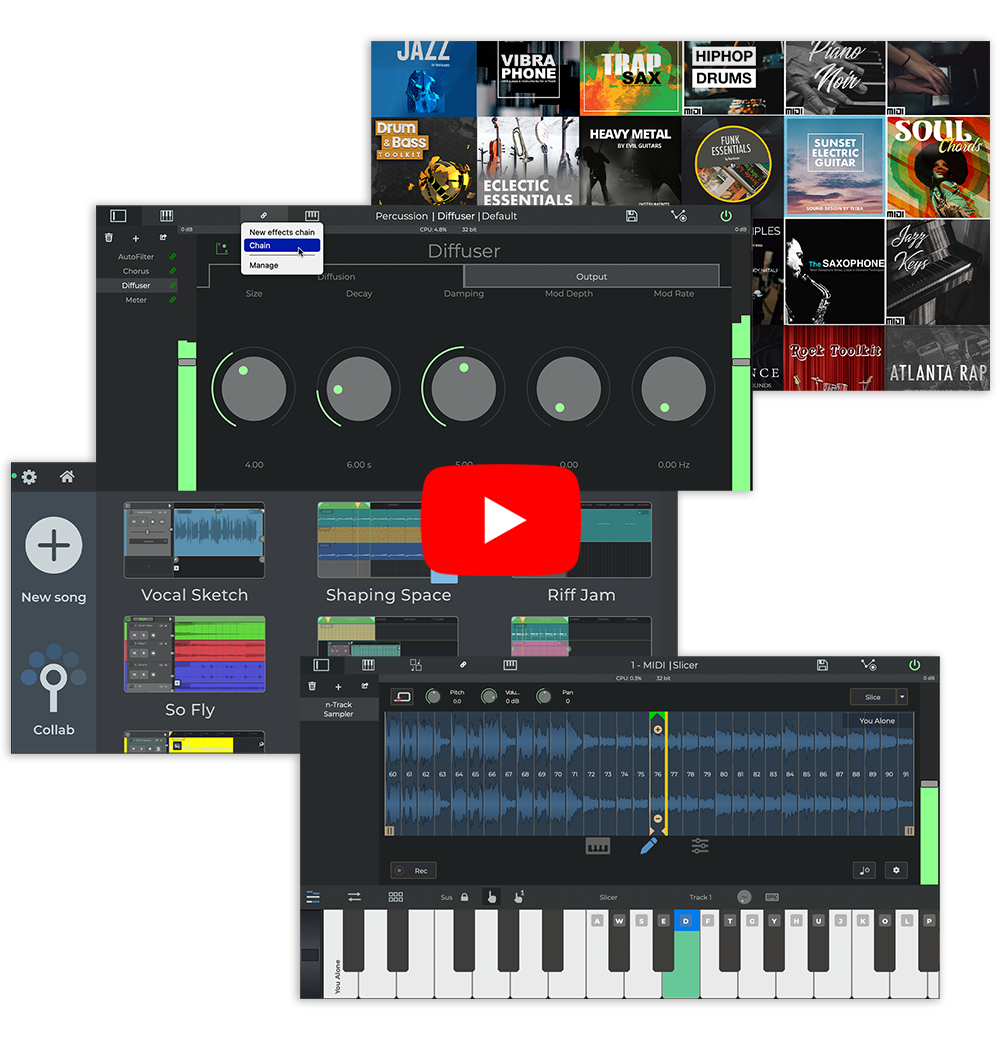
With custom sound import - a playground for creativity
From VocalTune to Convolverb, DEnoiser to Amps
Craft your sonic signature with custom presets
Find your next collab and upload your music
15GB+ selection of royalty free loops, projects and samples
Use n-Track 10 on all your Windows, Mac, Android and iOS devices.
Effortlessly navigate your projects.
Supports 5.1, 6.1 and 7.1
Tune your instrument directly in n-Track Studio

n-Track have announced that the latest version of their DAW software, n-Track Studio 10, is now available. Focusing on user-feedback, the recent update implements a range of powerful new features.
Sound On Sound, www.soundonsound.com

DAW n-Track Studio has several things going for it. It’s affordable, it works across desktop and mobile platforms, and it’s pretty easy to use.
Musicradar, www.musicradar.com
n-Track Software has introduced n-Track Studio 10, a major update to the cross-platform DAW. n-Track Studio 10 introduces a variety of new features and improvements, including new samplers, effects, workflow enhancements, custom sound import and more.
Synthtopia, www.synthtopia.com
n-Track is one of the most cross platform available DAWs around, and probably covers more platforms than anyone else. n-Track is on macOS, Windows, iOS and Android too. The previous versions of the mobile apps have been excellent, so I’ve no concerns about updates.
Create Digital Music, www.cdm.link

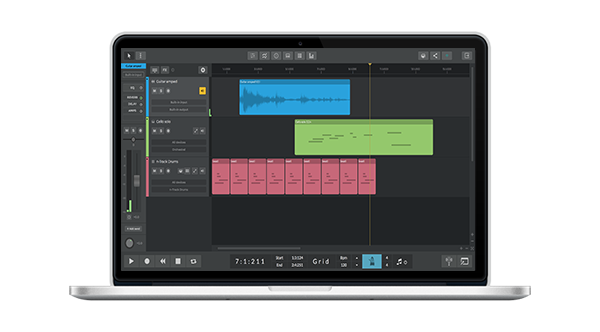
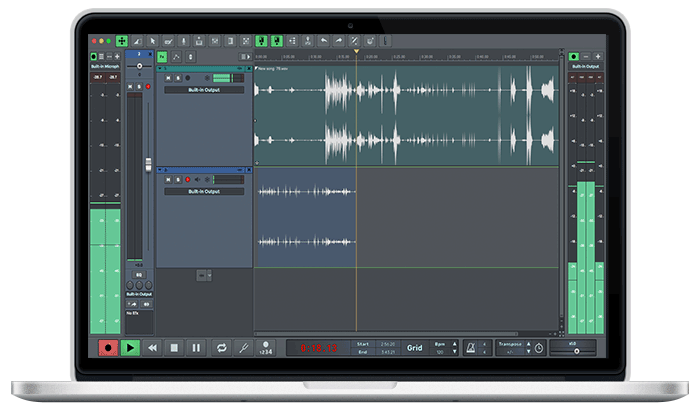
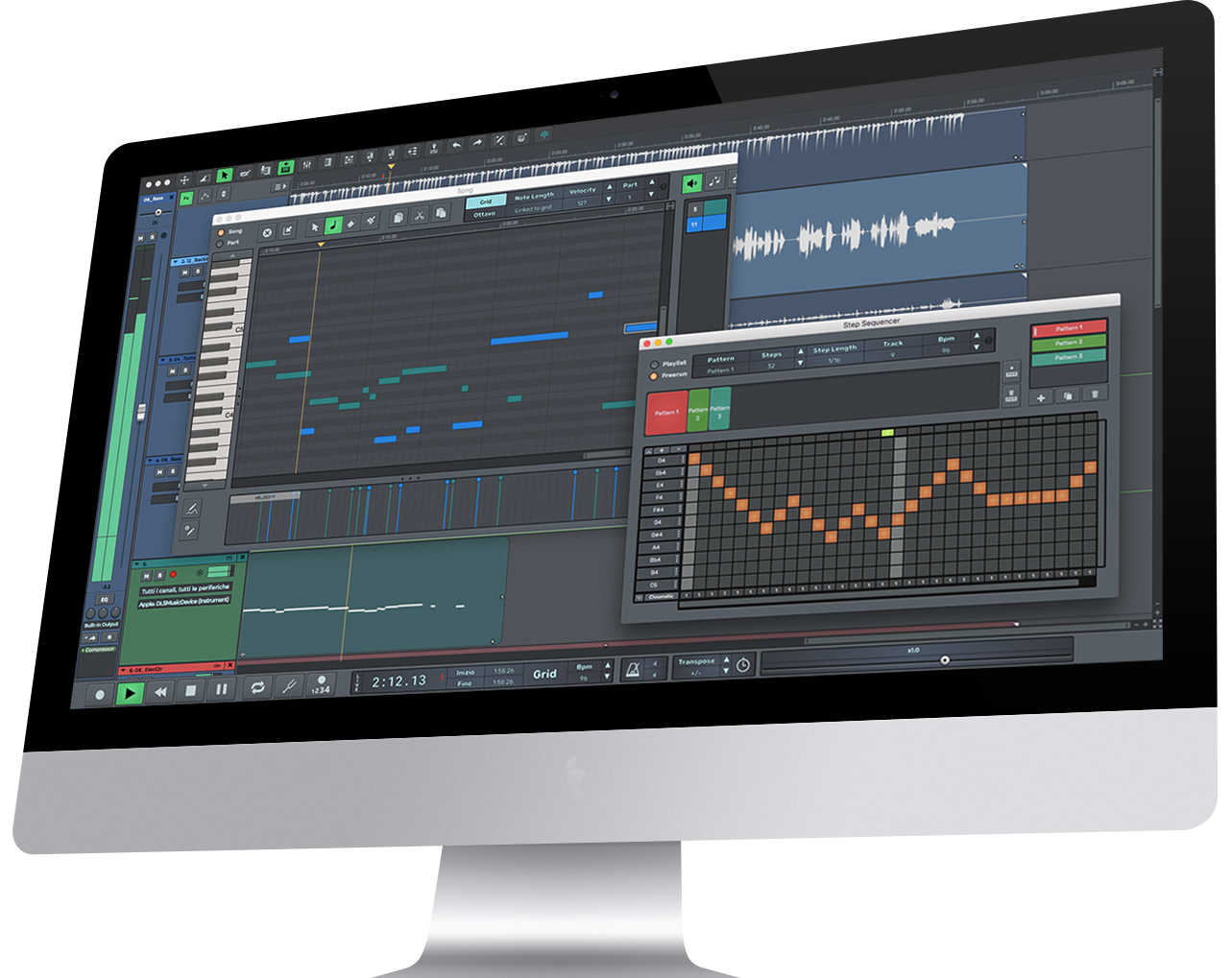
The interface looks great: all flat, clear and modern. Added bonuses include free installation on multiple computers, free online storage with Songtree and a 30-day money-back guarantee. That’s all pretty juicy.
Gearnews, www.gearnews.com

If you are a beginner music producer looking for a DAW and you want all the functionality associated with big name digital audio workstations, but without spending your next paycheck on it, n-Track is the place to start.
Bedroom Producers Blog, www.bedroomproducersblog.com
Get a fully-fledged music studio inside your computer — n-Track is a digital audio workstation that will equally appeal to beginner artists as well as professionals.
Setapp, www.setapp.com

A major update to the pioneering digital audio workstation, first released over 21 years ago. Today, n-Track Studio is available for Mac OSX, Windows, iOS and Android platforms.
Pro Sound News, www.prosoundnetwork.com
 n-Track Studio 10